Septic Plumbing Installation in Denver, CO
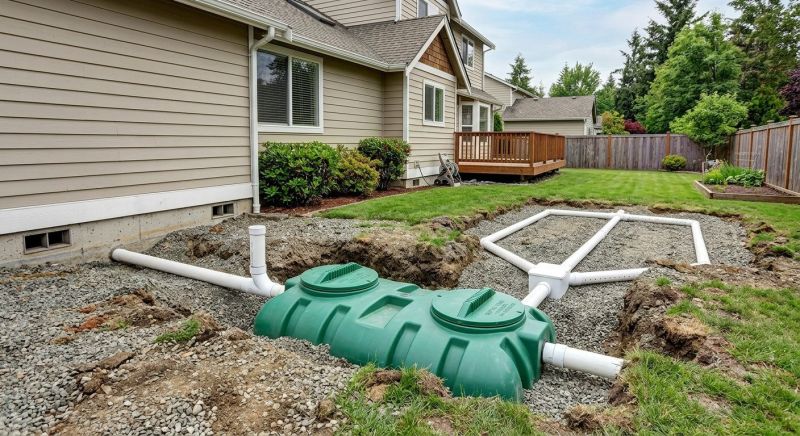
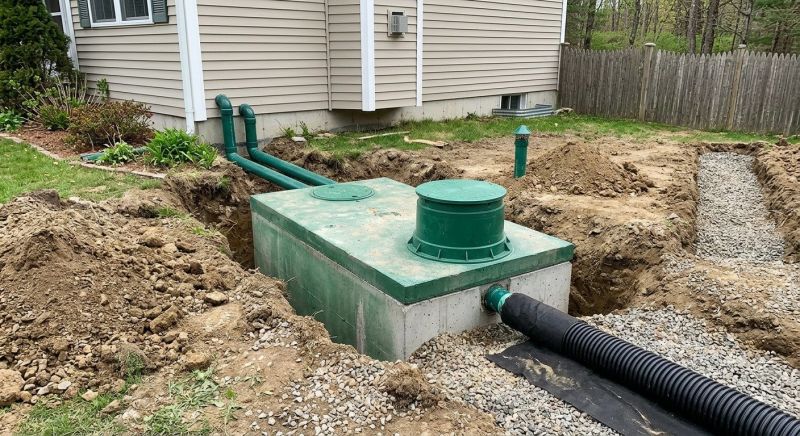
Septic plumbing installation involves setting up the entire system that manages wastewater for properties not connected to a municipal sewer. This service covers installing new septic tanks, connecting drain fields, and ensuring proper piping to handle household or commercial waste efficiently. Property owners typically seek septic installation when building a new property, replacing an outdated system, or upgrading to meet current standards. It’s important to understand the size requirements, local regulations, and the site’s soil conditions before requesting installation, as these factors influence the design and placement of the system.
Before requesting septic plumbing installation, property owners should consider the size of their household or business, as this impacts the capacity needed for the system. Site assessments are often necessary to determine the best location for the septic tank and drain field, considering space, accessibility, and soil suitability. Understanding local codes and permitting requirements can also help ensure a smooth installation process. Proper planning and knowledge of the property’s specific needs can help in selecting a system that functions reliably and complies with regulations.
Many property owners in Denver, CO look into Septic Plumbing Installation for repairs, replacements, upgrades, and appearance-related improvements.
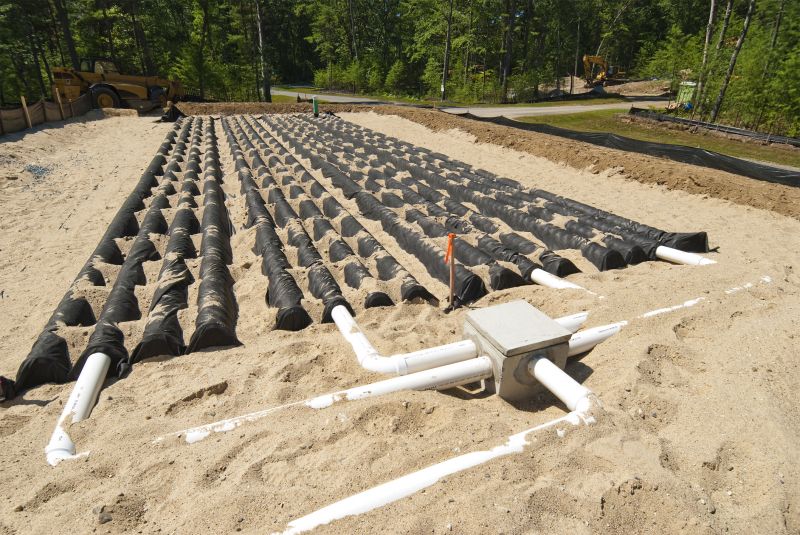
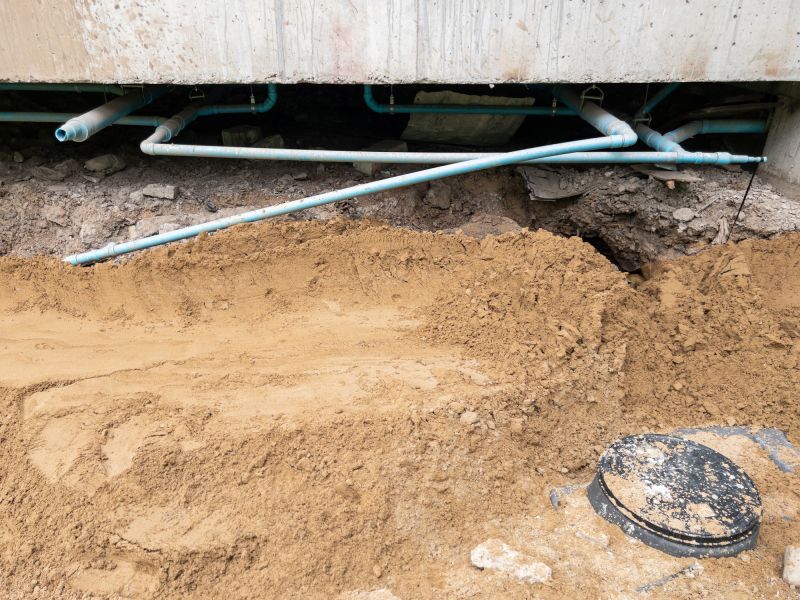
Septic System Installation
Proper installation ensures reliable waste management for residential and commercial properties.
Septic System Maintenance
Regular servicing helps prevent system failures and extends the lifespan of septic components.
Septic System Repairs
Prompt repairs address issues like clogs, leaks, or backups to maintain proper system function.
Septic Plumbing Installation in Denver, CO

Septic plumbing installation involves setting up the entire system that manages wastewater for properties not connected to a municipal sewer. This service covers installing new septic tanks, connecting drain fields, and ensuring proper piping to handle household or commercial waste efficiently. Property owners typically seek septic installation when building a new property, replacing an outdated system, or upgrading to meet current standards. It’s important to understand the size requirements, local regulations, and the site’s soil conditions before requesting installation, as these factors influence the design and placement of the system.
Before requesting septic plumbing installation, property owners should consider the size of their household or business, as this impacts the capacity needed for the system. Site assessments are often necessary to determine the best location for the septic tank and drain field, considering space, accessibility, and soil suitability. Understanding local codes and permitting requirements can also help ensure a smooth installation process. Proper planning and knowledge of the property’s specific needs can help in selecting a system that functions reliably and complies with regulations.
Many property owners in Denver, CO look into Septic Plumbing Installation for repairs, replacements, upgrades, and appearance-related improvements.
Common Septic Plumbing Installation Jobs
Septic tank installation - setting up a new septic system for residential or commercial properties.
Septic system upgrades - improving or replacing existing septic systems to meet current standards.
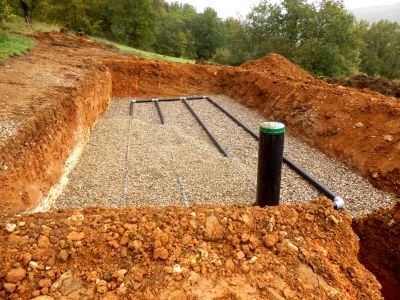
Septic drain field installation - installing underground drain fields to safely disperse wastewater.
Septic system repairs - addressing issues like leaks, clogs, or system failures to restore functionality.
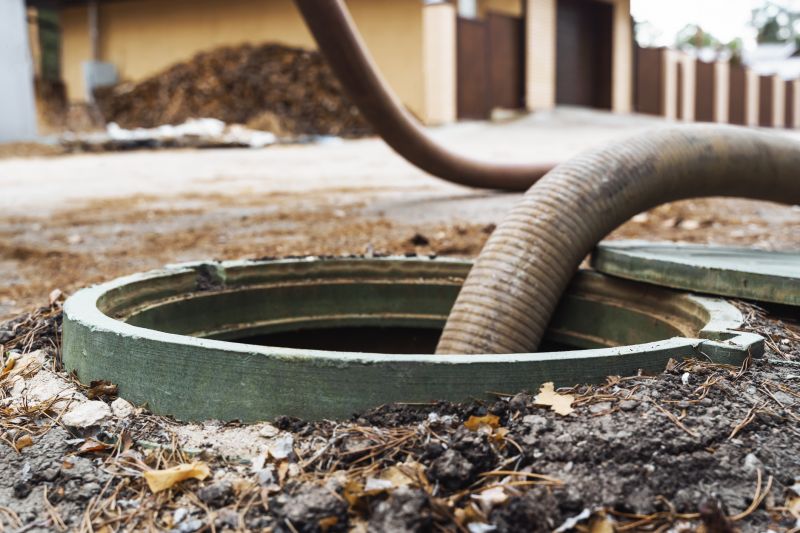
Septic tank pumping and maintenance - ensuring proper operation through routine cleaning and inspections.
Septic system evaluations - assessing system condition to determine necessary repairs or upgrades.
Septic Plumbing Installation Questions
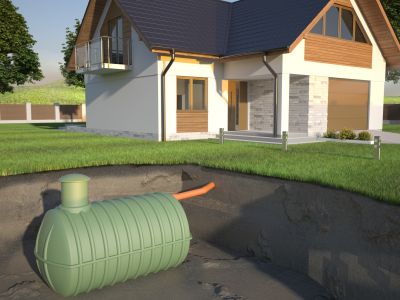
What is septic plumbing installation? It involves setting up the pipes, tanks, and components needed for a septic system to treat wastewater on a property.
When is septic system installation necessary? It is needed when a property does not have access to a municipal sewer system or when replacing an existing system.
What types of properties typically require septic installation? Residential homes, especially those in rural or suburban areas without sewer connections, often need septic systems.
What should property owners consider before installing a septic system? Factors include property size, soil conditions, and local regulations to ensure proper system design and placement.
Request Septic Plumbing Installation in Denver, CO
Use the quote form on this page to share the basics of your project and request more information for the type of work you need.